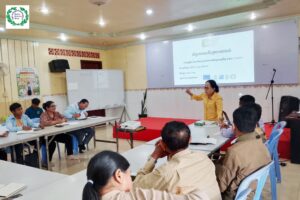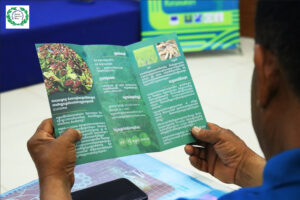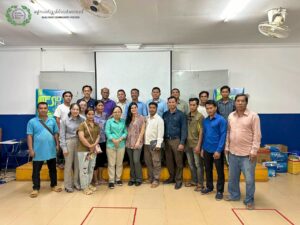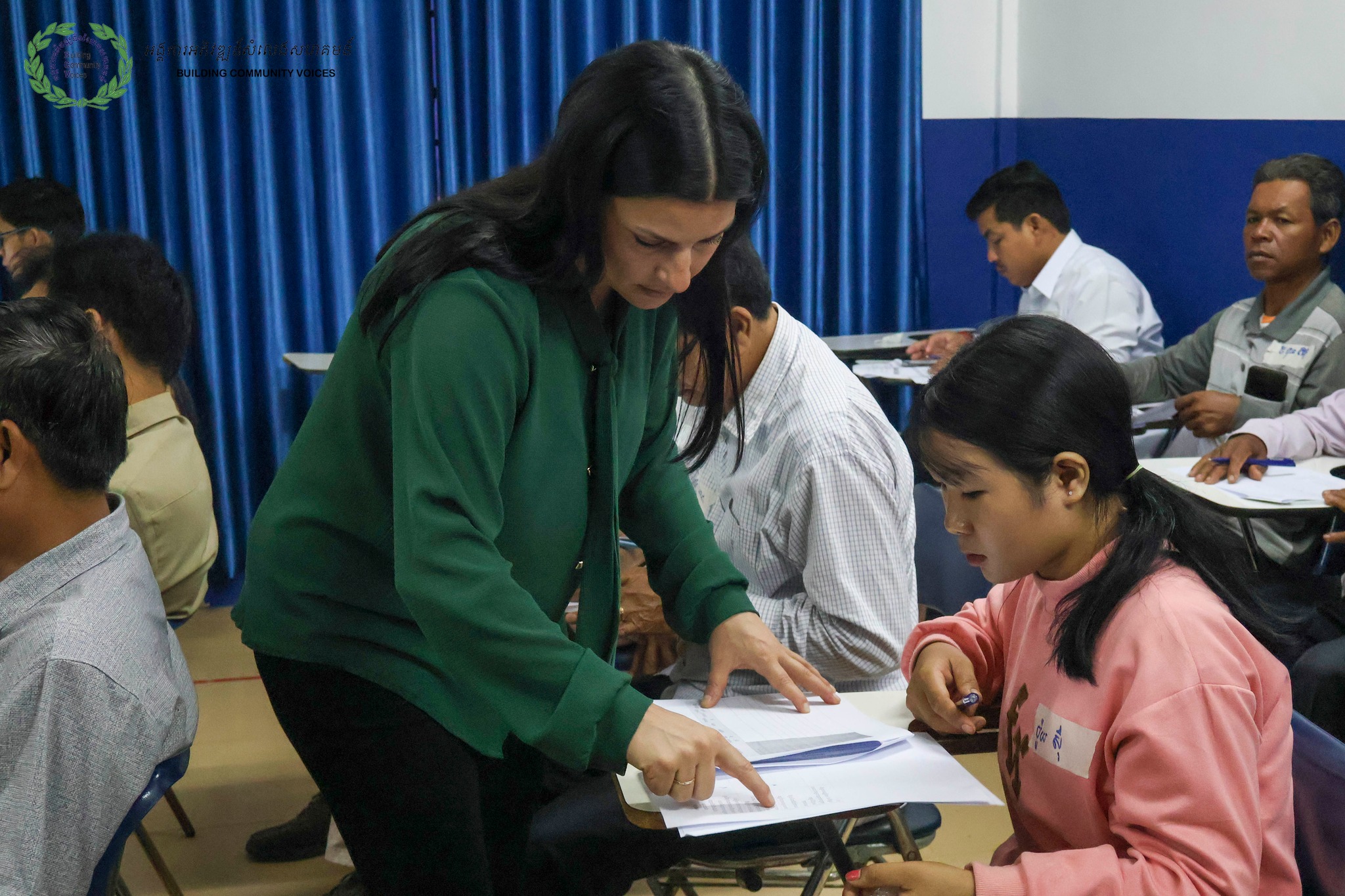
Ratanakiri, Cambodia – The CLESIDRA project is making steady progress in promoting sustainable economic development, marked by the successful implementation of the third phase of the RESCO (Resources for Social and Competitive Organizations) Assessment, which took place on May 13–14, 2024. This phase strategically focused on strengthening the cassava value chain, a vital component of the province’s rural economy.
The RESCO assessment is essential for identifying local resources, strengths, and competitive advantages in the cassava sector. By examining both opportunities and constraints, this initiative aims to guide targeted interventions that will improve productivity, market access, and long-term sustainability.
The assessment brought together a diverse group of stakeholders to shape the future of the cassava industry in Ratanakiri, ensuring that multiple perspectives were represented.
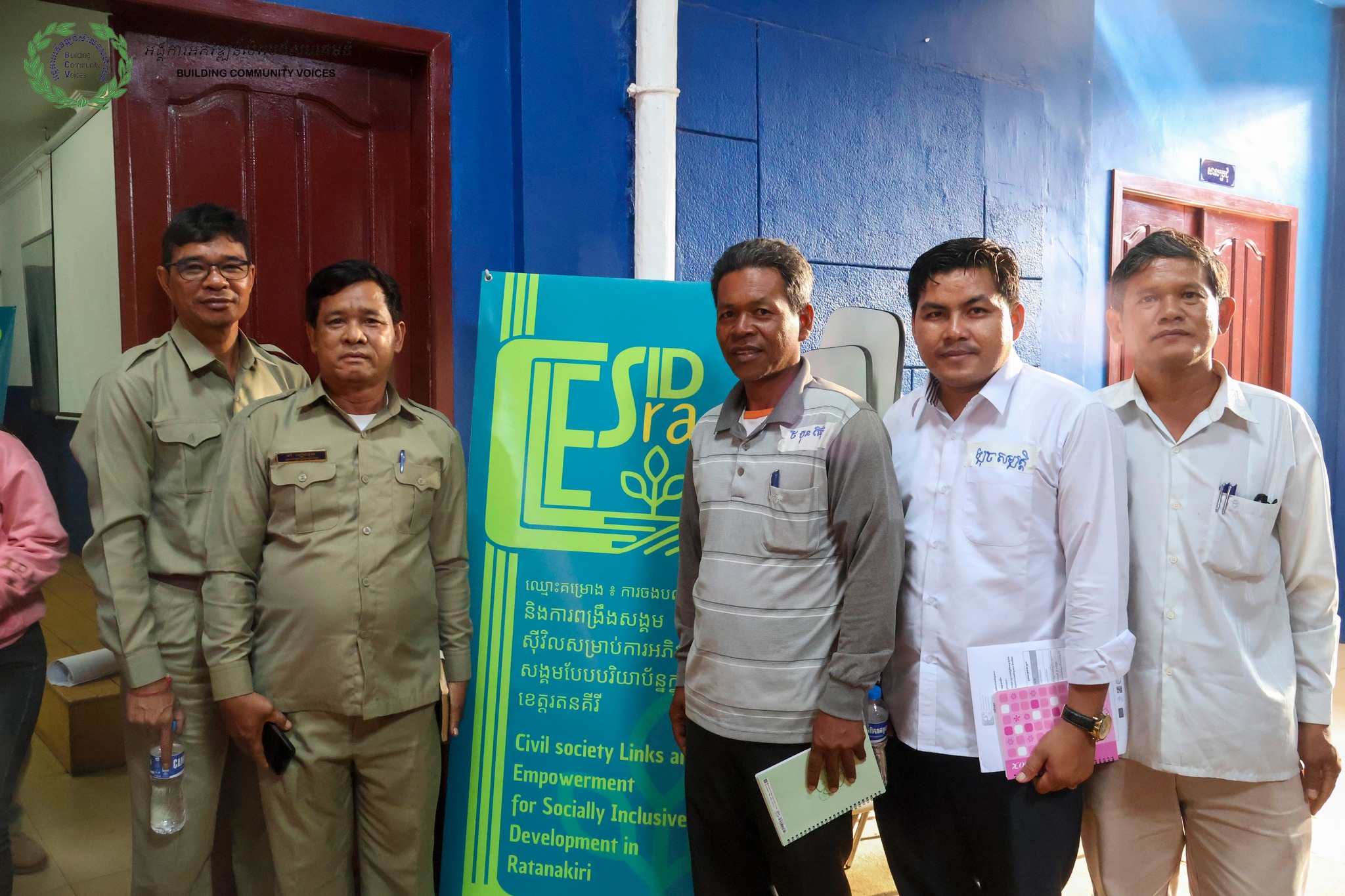
Participants included provincial authorities and relevant departments, who provided policy direction and administrative oversight, as well as local leadership, such as mayors, district governors, and commune chiefs, representing grassroots governance.
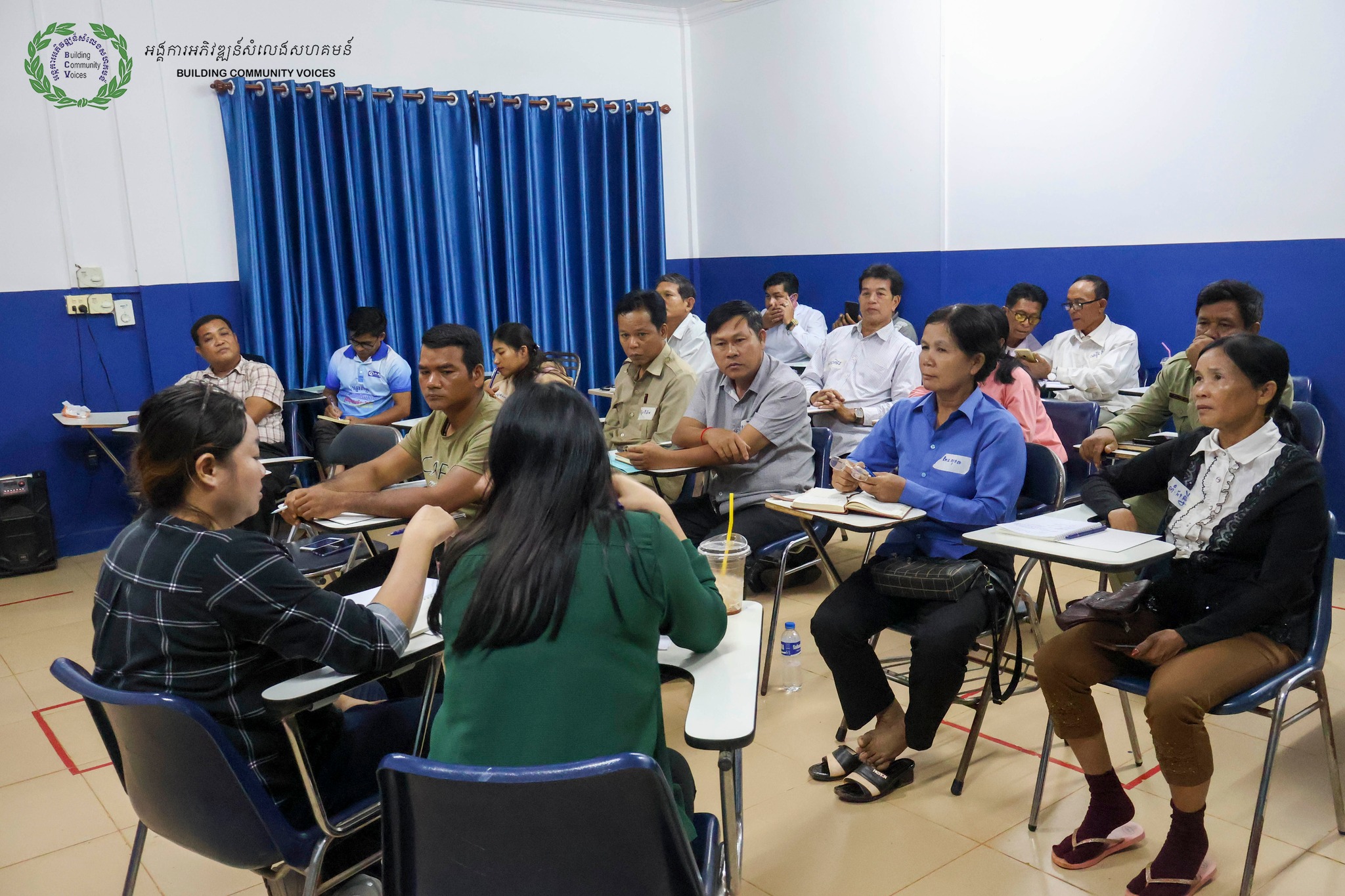
Additionally, primary producers, including farmers and community members, played a crucial role, as they are at the heart of the cassava value chain. This inclusive approach facilitated meaningful dialogue between decision-makers and local communities.
The sessions were led by experts from ILS LEDA in Italy, who presented international best practices in value chain development and competitiveness. Their technical guidance helped participants evaluate the strengths and challenges of the cassava sector.
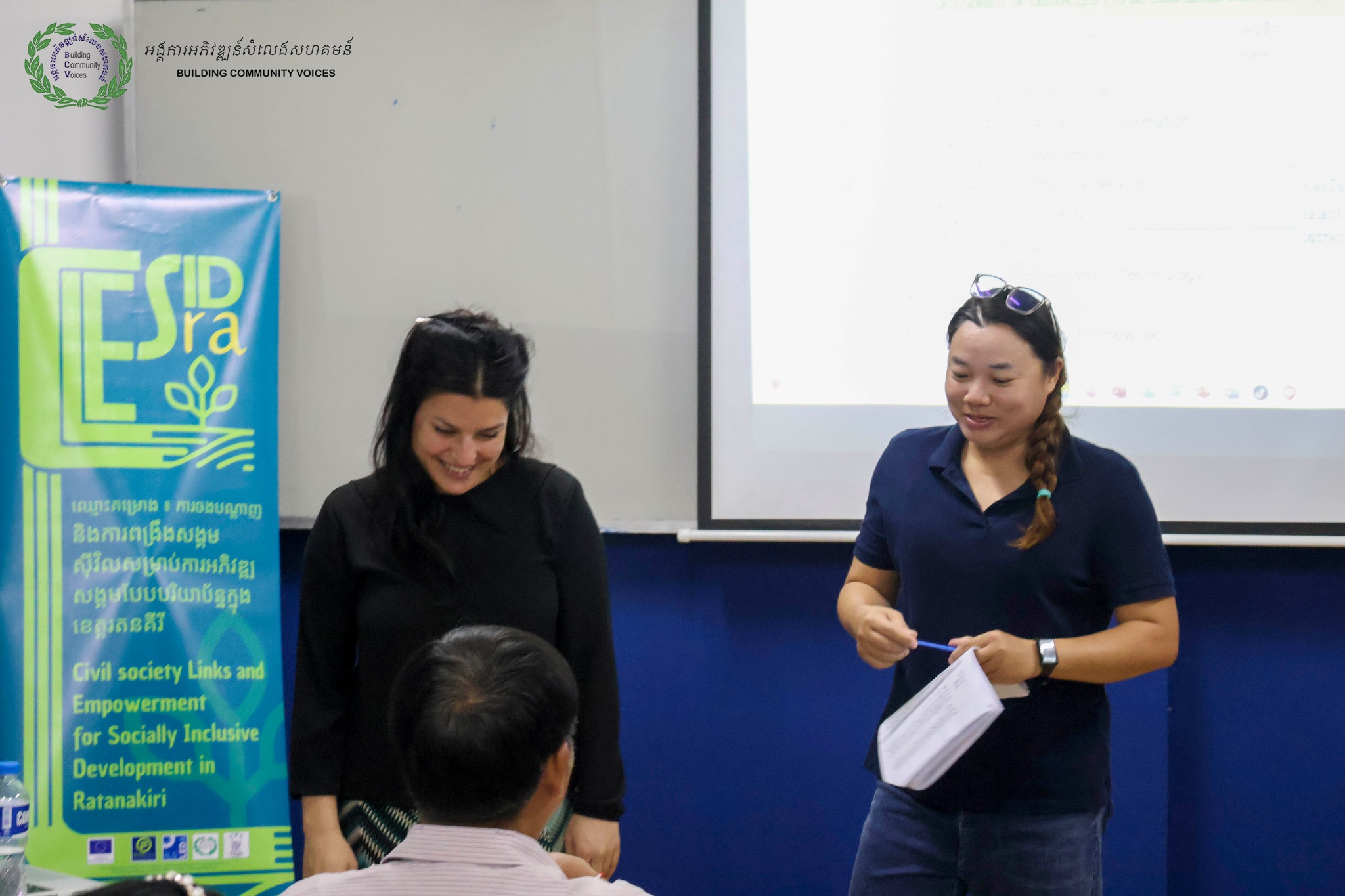
Through structured discussions and collaborative analysis, the assessment provided valuable insights that will inform future technical assistance, investment planning, and policy support for the project.
By promoting direct engagement between government institutions and local farmers, the RESCO assessment strengthens a development model that is socially inclusive and economically viable. It ensures that local voices are prioritized in decision-making processes while aligning development strategies with the actual needs of the community.